SMALL BUSINESSES HAVE ENTERPRISE-SHAPED PROBLEMS.

Solving them used to require an enterprise budget. That barrier is gone. You see your system working before you spend a dollar. The date you're given holds.

First time buying custom software? Start here.

THE CLIENT PUSHED BACK ON OUR BID. IT WAS TOO LOW.

TechR2 needed to own the most compliance-critical tool in its chain of custody: a policy-driven data destruction platform, NIST 800-88 compliant, linked to asset records down to the drive level. Traditional estimates for the build ran $500K to $750K with a multi-team roadmap.

One practitioner delivered it roughly 50% faster and roughly 85% cheaper. The system is in production. The case study is public, with the client's name on it.

That's not a discount. It's a different cost structure. And it makes projects that were never worth pitching suddenly worth doing.

TechR2 Tear-A-Wipe case study PUBLIC. NAMED CLIENT. IN PRODUCTION. →
~85% BELOWTraditional estimates on a published, named-client build.
~50% FASTERSame build, one practitioner, production quality.
$0 UNTIL IT'S REALNo discovery invoice. No SOW for something you've never seen.

HOW WE WORK

Most consulting firms front-load the expensive part. We front-load the valuable part.

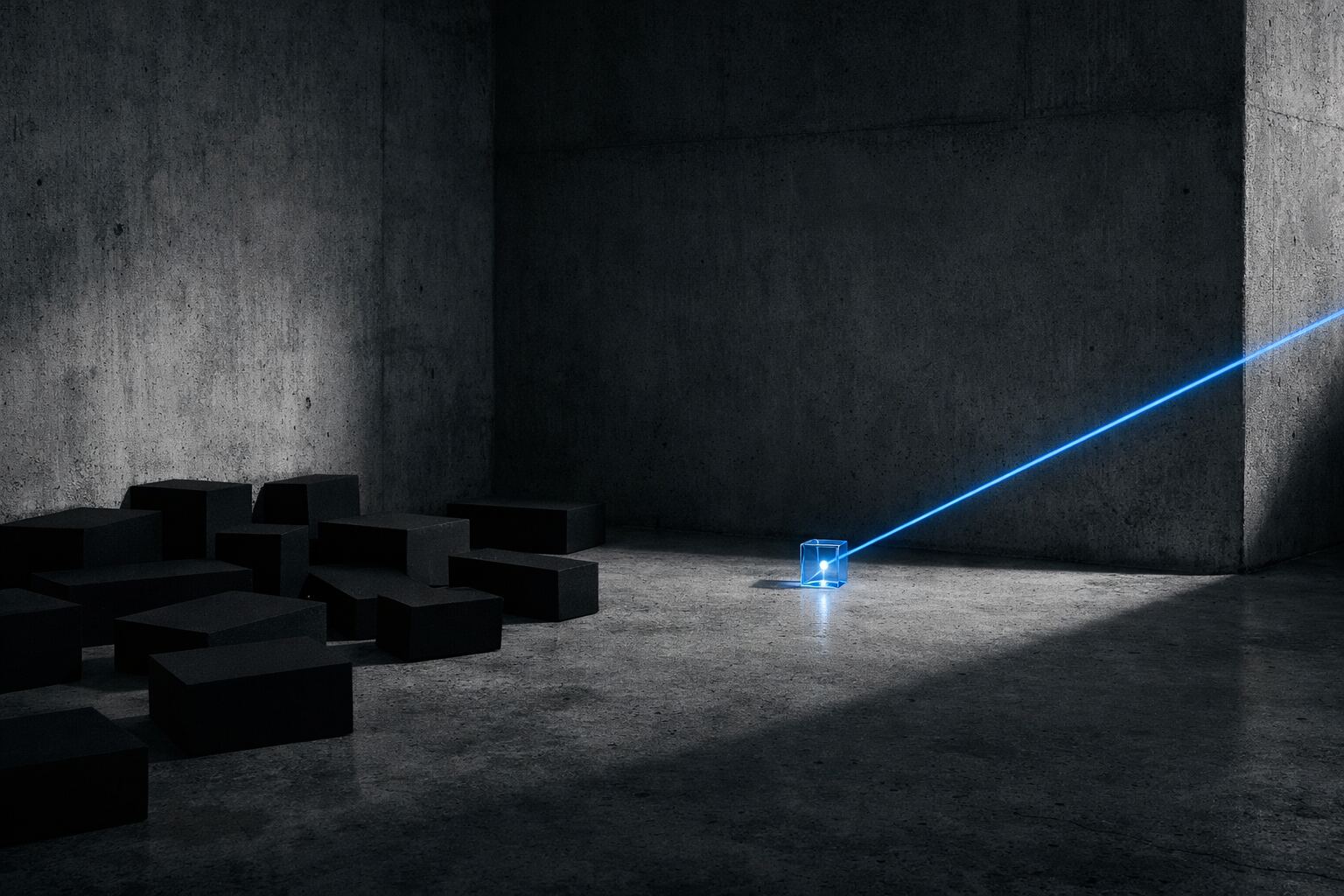
A precise signal isolated in a concrete room
01

ANTI-DISCOVERY

We don't run a discovery phase. We run a targeting exercise. Using AI-assisted interviewing tools, we work at your pace to understand the actual problem, not the problem as described in a kickoff deck. This takes days, not weeks. It costs you nothing. The goal isn't a report. The goal is enough signal to build something real. If we can't find that signal, we tell you, and we both walk away. No invoice.

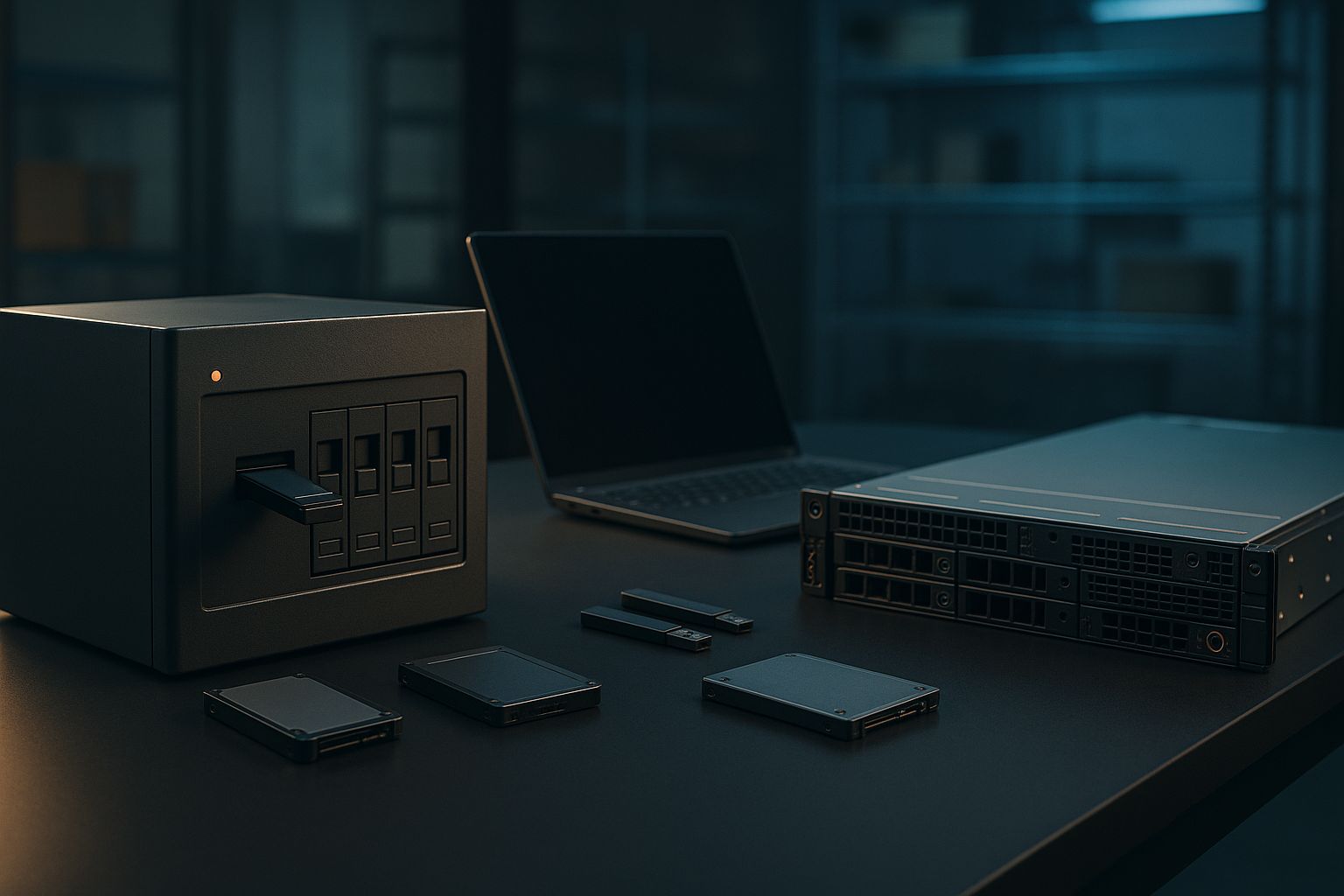
A working prototype artifact on a concrete workbench
02

THE PROTOTYPE

The output of our targeting exercise isn't just a document. That's free. The thing worth paying for is a working prototype. By the time most traditional engagements are finishing discovery, you have something you can use, break, and react to. That reaction is more valuable than anything a requirements document could have captured. If the prototype doesn't convince you to proceed, you still owe nothing. You pay for the output when it's worth paying for.

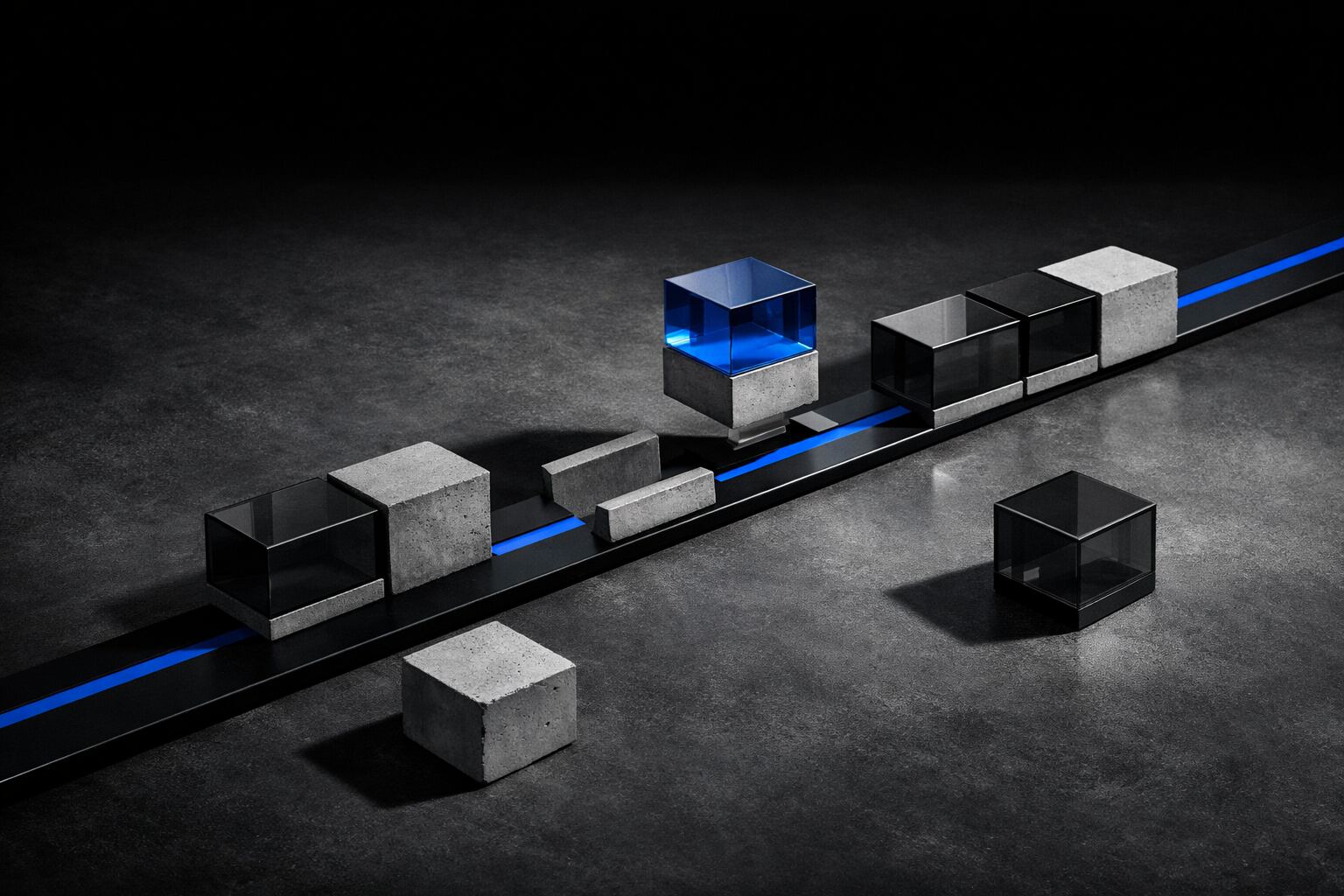
Modular blocks being rearranged along an electric blue rail
03

ITERATION

Once the prototype proves the concept, we move into iteration. This is where time and materials enter the picture, though fixed bids are available for engagements where the scope is well-defined and the risk is manageable. We'll work out the right structure based on the complexity of what you're building. What you will not be paying for: charts, Word documents, Visio maps, or deliverables that describe work instead of being work.

Two practitioners reviewing a working artifact together
04

THE ARCHITECT IS IN THE ROOM. ALWAYS.

Every engagement runs under the same methodology architect: the person who built the process, on your project, reviewing the work. Practitioners trained in that process do the building. Some of them are earning their stripes on real work, and yes, partly on your dime. That's how the economics stay small-business friendly. But nobody is ever in there alone, and nothing ships without the architect's review.

There is a version of AI-augmented consulting where the human disappears entirely and what ships is fast, cheap, and indistinguishable from everything else. We've seen it. You've probably seen it. This model is our insurance policy against becoming that. The senior brings taste and judgment built over years. The practitioner is learning it in real time. That judgment is what keeps the output from being slop, and keeping it sharp requires a human in the room who can tell the difference.

You're paying for both. You're getting both. That's the model.

MEET THE ARCHITECT →

NEVER LOCKED IN.
NEVER IN THE DARK.

Handing off something this important is the hardest part. The engagement is built around that fact. The work ships as a series of small, finished pieces. Every piece is a checkpoint. Check in as often as you want. What you see is always real, running, and yours to poke at. Or look away for two weeks while you run your business. The checkpoints will wait, and so will a plain record of what changed while you were gone.

Every checkpoint is a genuine decision, not a status update. Continue. Change course. Stop entirely. Turning the ship around costs a conversation, not a contract dispute. No piece of the work is ever big enough to trap you.

You're not buying an eighteen-month bet you have to babysit or abandon. You're steering.

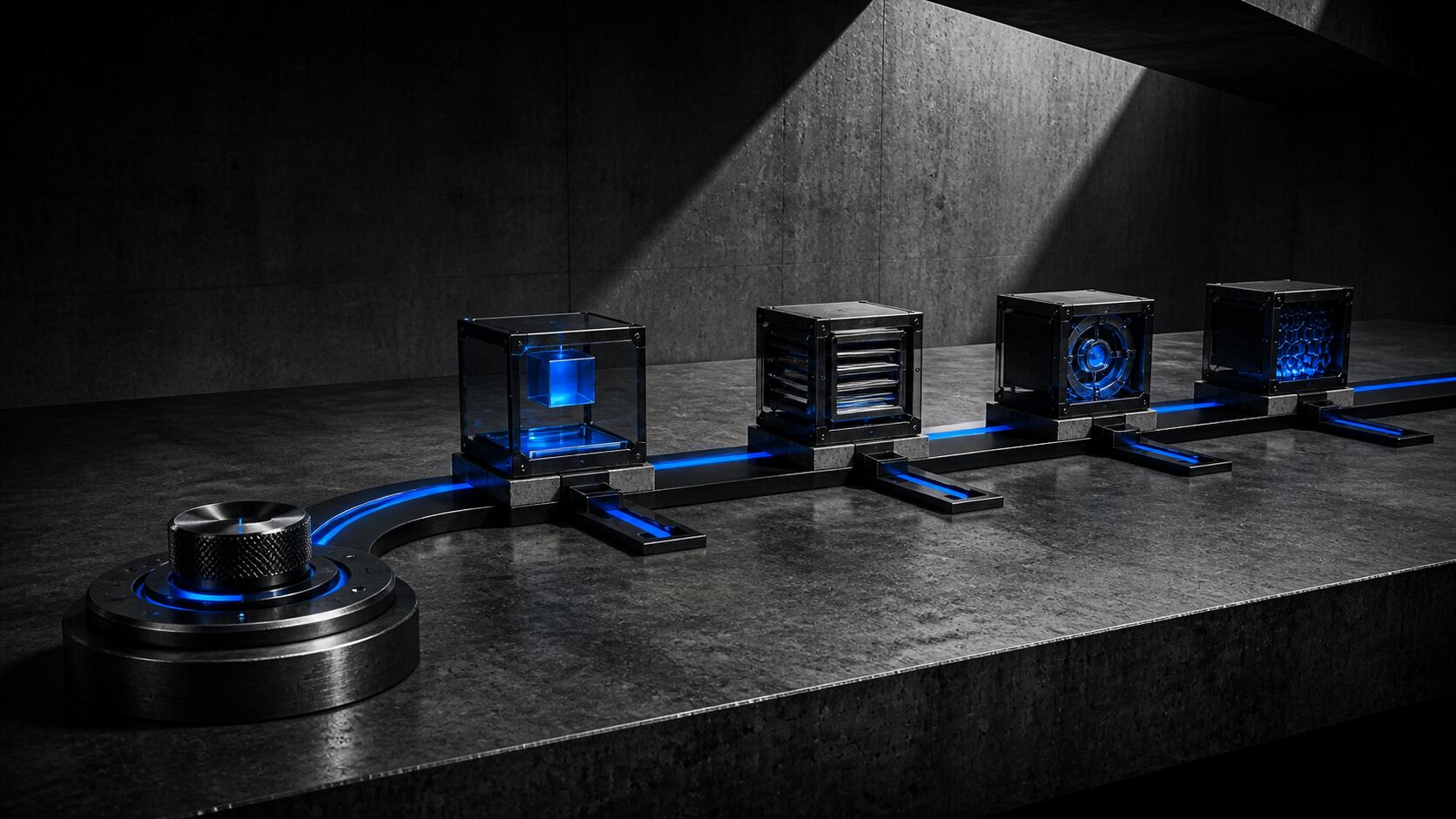
A precision control connected to four finished checkpoints, each with its own exit path

THE DATE WE SAID IS THE DATE YOU GET.

Ask anyone who's bought custom software what happened to the date. The slipped deadline is so universal that the industry stopped apologizing for it. It's priced in. It's expected. It's the reason you keep a fake go-live date and a real one.

We run it differently, and the mechanics matter more than the promise.

All of the flexibility lives before the commitment. We scope with you. We build margin into the calendar on purpose. We will push back on a date we can't stand behind, and we'd rather lose the work than take a date on hope. What we will never do is commit and then negotiate.

After the commitment, there is no flexibility, because there doesn't need to be any. The prototype already exists before the date does. The risk that kills timelines on traditional projects, the wrong assumptions discovered in month four, is spent before we ever put a date in writing. A date moves for exactly one reason: you moved it.

That's not heroics. It's the engagement model doing its job.


BUILT FOR WORK WHERE WRONG ISN'T AN OPTION.

NIST 800-88HIPAAGLBASOX

Our delivery record is in regulated, audited, has-to-be-right domains: NIST 800-88 data destruction, chain-of-custody systems, environments answering to HIPAA, GLBA, and SOX. Not because we sought out hard-mode projects, but because that's where the process proves itself. When an auditor is the final user, "close enough" is a liability.

This is exactly where people assume AI-assisted work can't go. It's actually where the approach is strongest. Deterministic requirements, explicit rules, verifiable outputs: compliance-grade systems are the best possible fit for a process built on precise decomposition and relentless verification. The judgment is human. The verification is ruthless. The output is auditable.

If your system has a regulator, an auditor, or a customer contract behind it, that's not a reason to avoid this model. It's the reason to use it.


WHY THE MATH WORKS

No mystery, no magic: AI-augmented development collapsed the cost of implementation. Typing was never the valuable part, and now it's barely a cost at all. What's left is the part that was always scarce: knowing what to build, describing it precisely, and holding the line on quality. That's what you're paying for. The methodology is public, and it's the proof, not the pitch.

SEE THE METHODOLOGY
A completed engineered system with an electric-blue conduit terminating at an exact endpoint

WE RUN OUR OWN PRODUCTS.

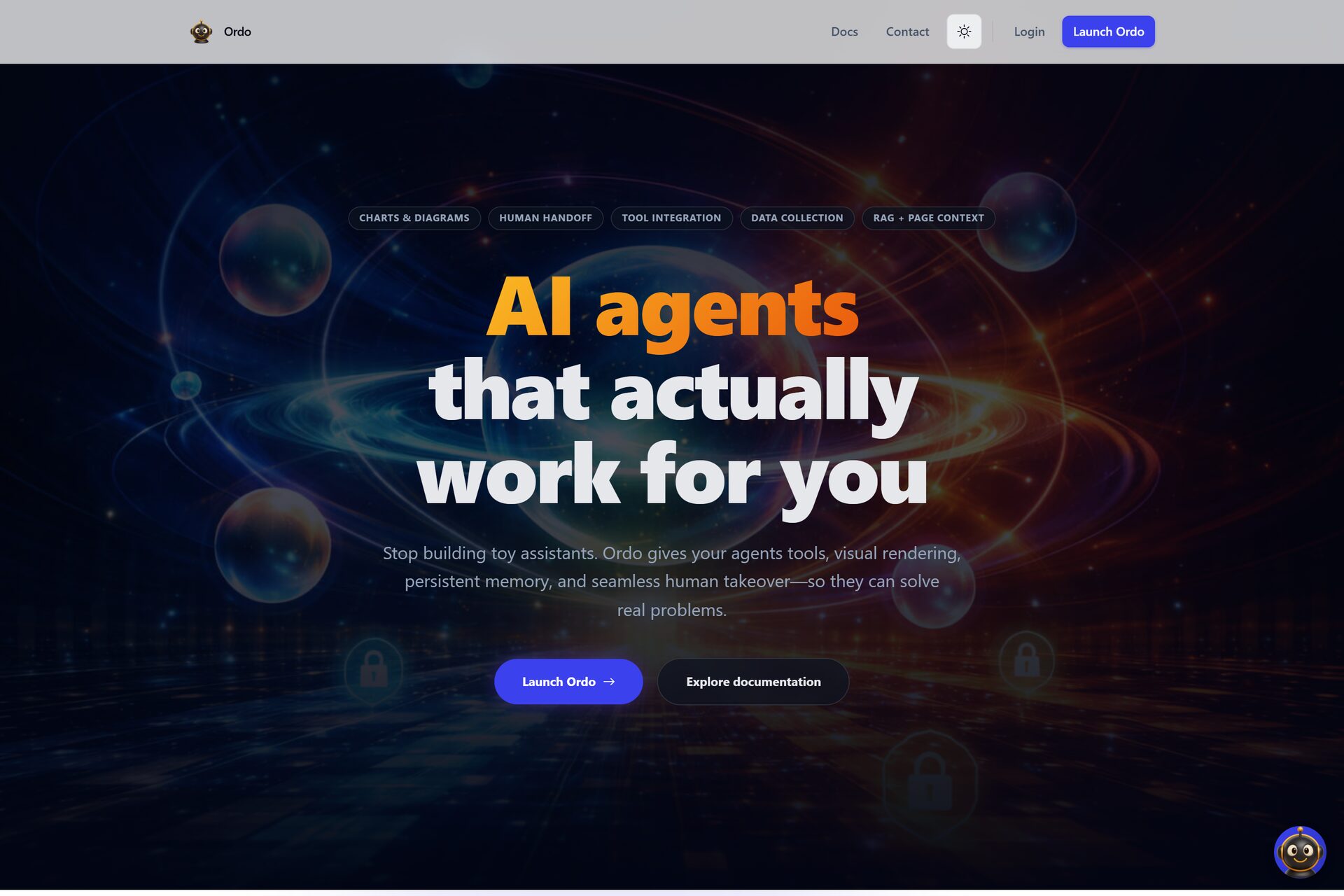
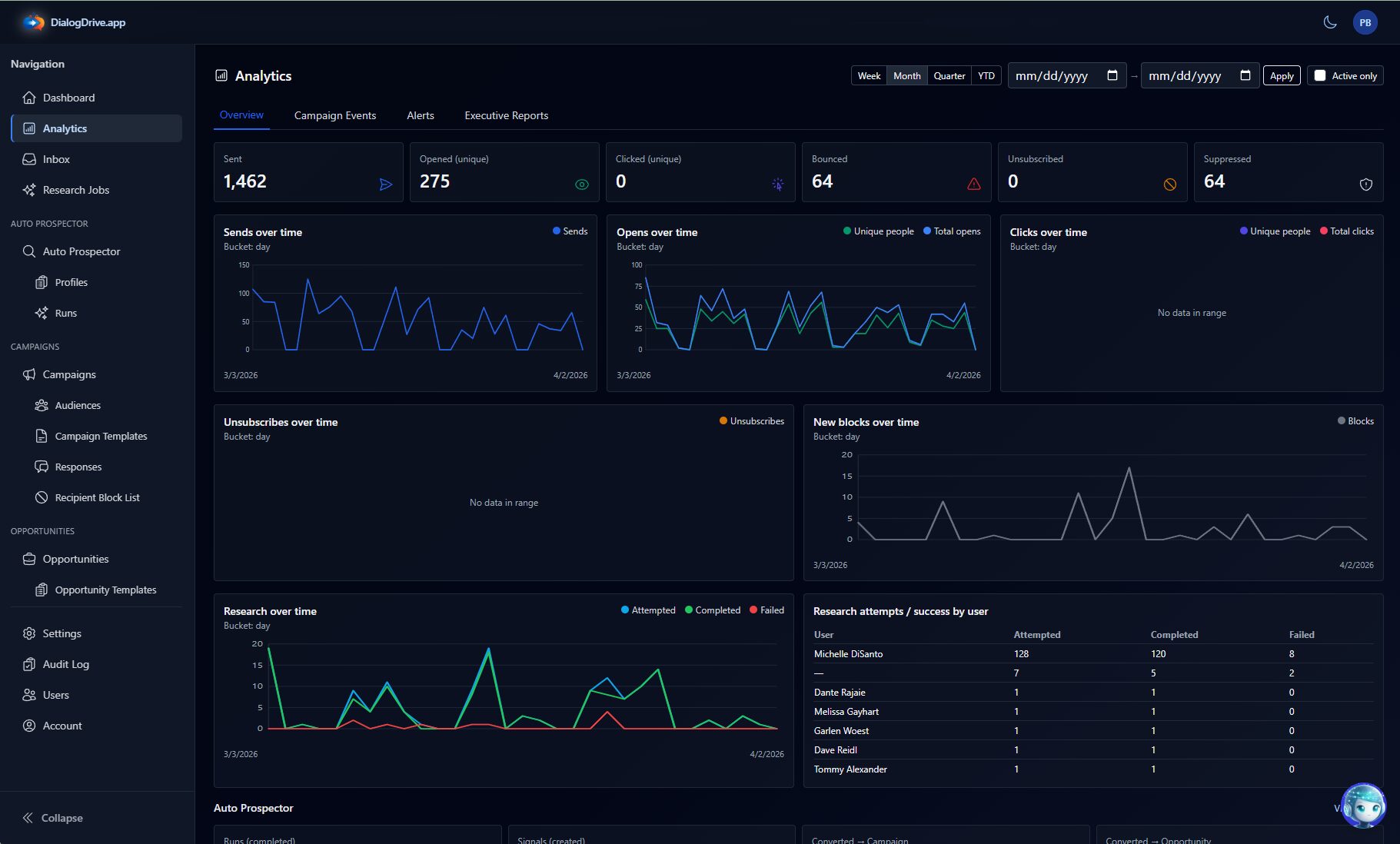
The same process that builds client systems builds ours: Ordo, DialogDrive, and md2docx are in production, in daily use, and ours to maintain. When we say the process ships durable software, this is the standing evidence.


OPINIONS WITH RECEIPTS.

April 21, 2026 HOW TECHR2 REPLACED A BROKEN PLAYBOOK WITH ONE THAT ACTUALLY WORKS
April 21, 2026 TEAR-A-WIPE: WHAT IT LOOKS LIKE WHEN A COMPANY FINALLY OWNS ITS MOST CRITICAL TOOL

BRING US THE PROBLEM. REACT TO SOMETHING REAL WITHIN DAYS.

Not a roadmap. Not a maturity model. A targeting exercise that costs you nothing, a working prototype before you sign anything, and a date that holds.